World Amino Acid Shampoo - Market Analysis, Forecast, Size, Trends and Insights
The problem I keep running into with beauty subscription boxes is the shampoo lottery — half the bottles in any given month are harsh sulfate formulas that leave my scalp tight and itchy, while the…
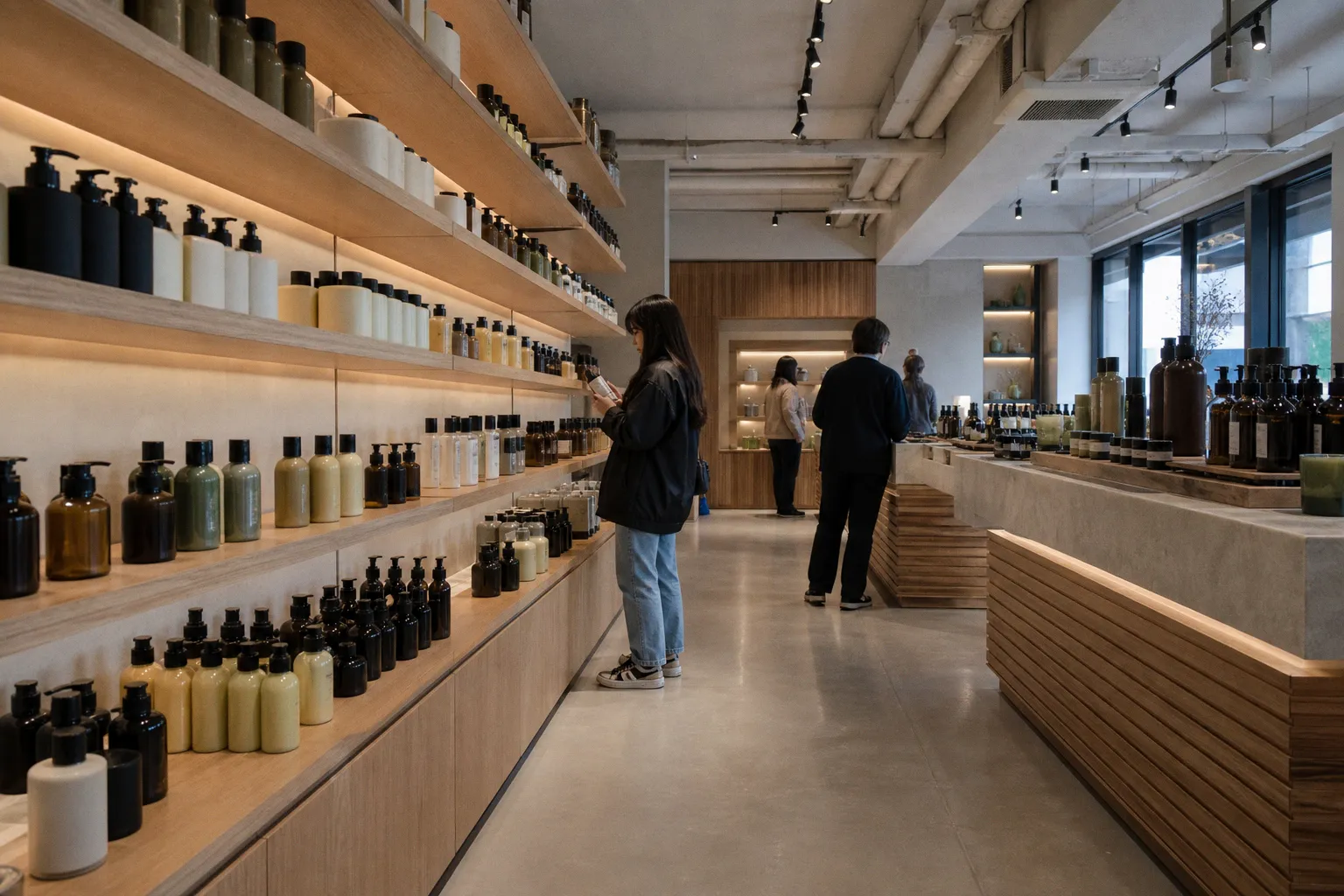
The problem I keep running into with beauty subscription boxes is the shampoo lottery — half the bottles in any given month are harsh sulfate formulas that leave my scalp tight and itchy, while the rest are so heavily perfumed I can't tell if they're actually cleaning anything or just masking the issue. A fresh IndexBox market analysis on amino acid shampoos suggests the industry is finally catching up to that exact frustration, projecting 7–9% compound annual growth through 2035 as amino acid surfactants like sodium lauroyl glutamate and cocoyl glycinate quietly displace SLS and SLES in both mass-market and premium formulas.
The numbers behind the bottles
The report pegs global consumption at roughly 1.2 million metric tons in 2025, climbing past 2.1 million metric tons by 2035. Asia-Pacific drives about 45–50% of that volume, with Japan, South Korea, and China leading the charge, while North America and Europe together account for a combined 35–40% share. The premium and organic slice already holds 30–35% of global volume in 2026 and is expected to reach 40–45% by 2035, with per-unit prices climbing 2–4% annually as brands chase higher-quality surfactants, organic certifications, and biodegradable packaging. For broader context, the wider cosmetic skin care market is forecast to reach USD 151.02 billion by 2031 at a 5.52% CAGR, according to a separate Yahoo Finance UK write-up.
What beauty box subscribers should actually notice
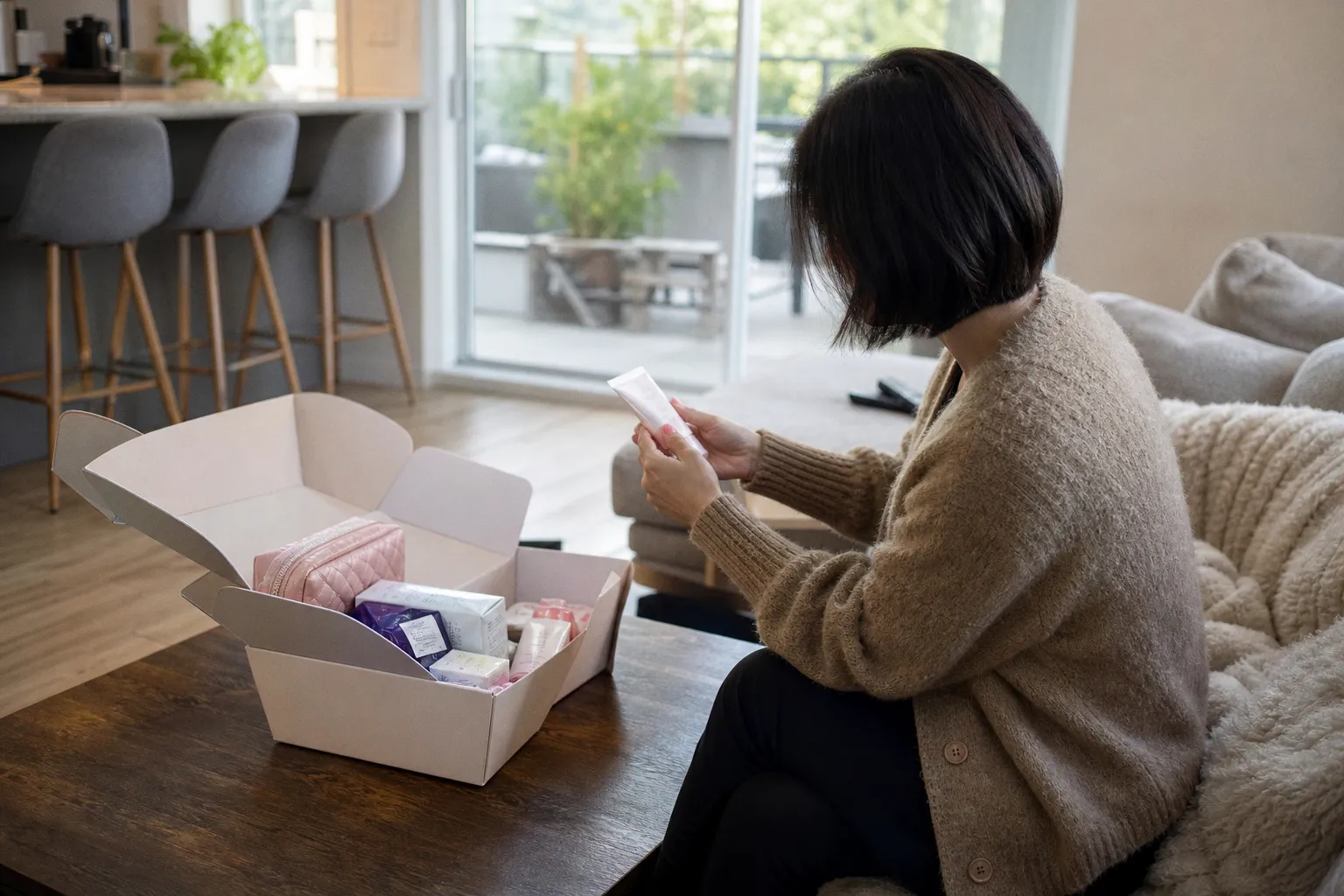
For anyone receiving a beauty subscription — or thinking about signing up for one — the practical takeaway is straightforward. Expect more sulfate-free formulas showing up in the curation, more ingredient transparency on the card inserts, and more brands leaning on eco-friendly packaging to justify the markup. E-commerce and direct-to-consumer channels are projected to represent over 35% of global sales by 2030, which means indie and niche labels — the exact kind that tend to land in curated monthly kits — will keep flooding the market. That is genuinely good news for variety in any given box, but it also confirms that the price creep on "clean" beauty subscriptions is structural rather than a fluke of any single brand's pricing.
For DTC brands trying to keep pace on the digital storefront, even how they present their content matters now. A recent walkthrough of what Codegarden 2026 reveals about the future of content, AI and digital experience shows how the next wave of e-commerce storytelling is taking shape, and the same pressure shows up in how subscription commerce sites are rebuilding their checkout and education flows to match cleaner, more transparent product stories.
What to check before you subscribe or re-up
A few things are worth verifying on your next beauty box delivery or renewal decision. First, scan the ingredient deck for actual named amino acid surfactants — sodium lauroyl glutamate, cocoyl glycinate — rather than relying on vague "gentle" or "natural" claims printed on the front of the box. Second, watch how brands handle palm- and coconut-derived feedstock sourcing, since sustainability certifications vary widely and the report flags this as a live pressure point across the supply chain. Third, keep an eye on whether the per-unit value of your kit actually holds up; if a subscription suddenly jumps in price, the data says premium shampoo costs are genuinely rising 2–4% per year, so a modest bump is reasonable, but anything steeper deserves a closer look at what else changed in the curation that month before you let the auto-renewal run.