Prime Day isn’t the only big sale happening — here are the best deals from other brands we’re shopping
Prime Day is not the only sale competing for your cart. NBC News reports that Target, Walmart, Nordstrom, major retailers, and smaller direct-to-consumer brands are running parallel discounts across beauty, sneakers, home goods, and more.
The sale pile is bigger than Amazon
NBC’s roundup frames the current sale window as a market-wide event, not an Amazon-only event. That matters because subscription boxes often justify themselves on discovery value: trial sizes, bundled sets, and claimed retail value.
But when full-size products, beauty tools, sunscreen, serums, and hair devices are discounted outside Amazon, the box has to work harder. A mystery assortment only wins if the cost-per-use or cost-per-ounce beats buying known products on sale.
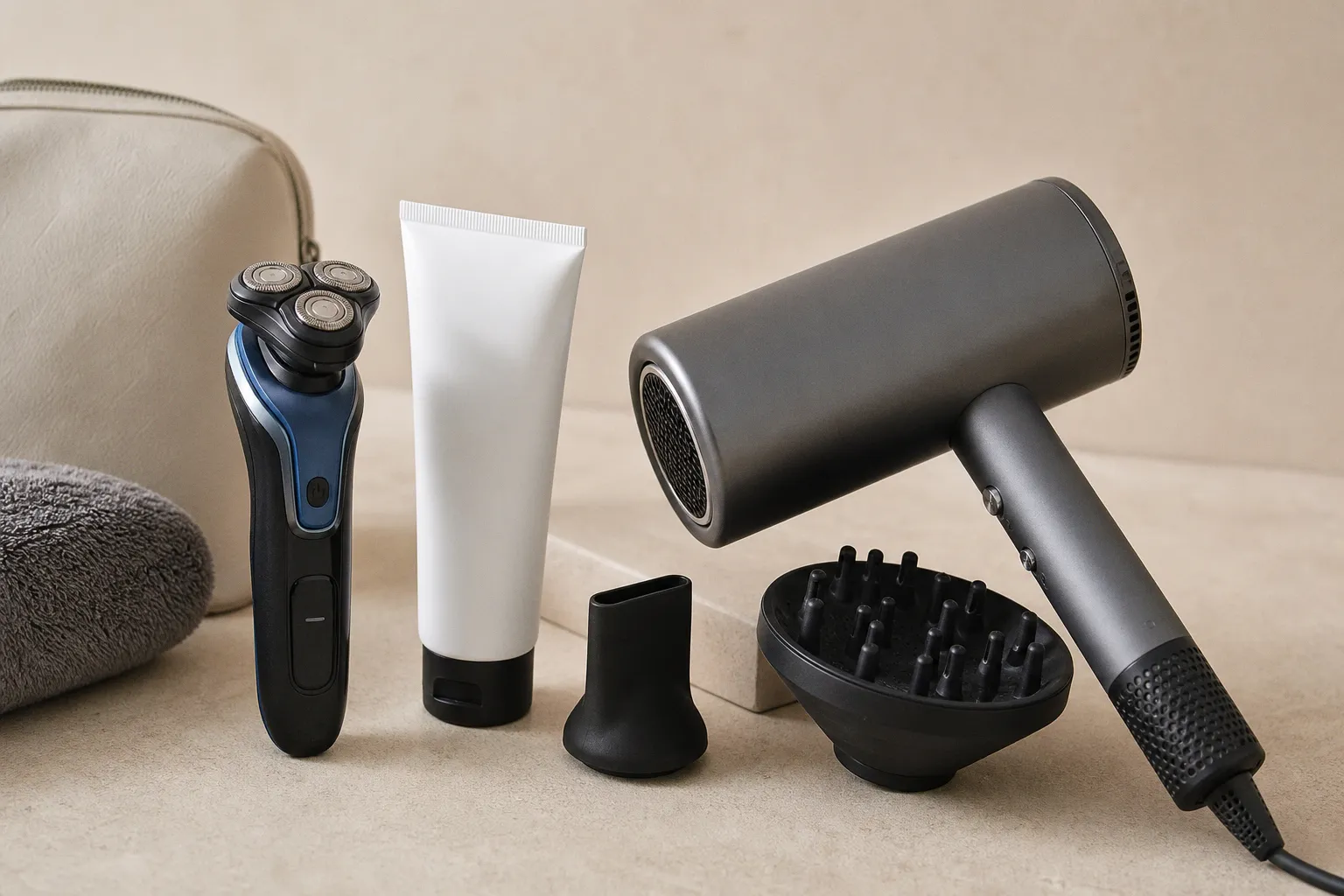
The items cited by NBC include a Shark FlexStyle hair tool with five attachments, SPF 50 sunscreen described as lightweight and non-greasy, a citrus-scented serum with vitamin C, vitamin B3, and lactic acid, and an Ole Henriksen three-product set with cleanser, eye cream, and moisturizer. That is the comparison basket. Not vague “self-care.” Actual units. Actual functions.
Beauty deals need a receipt, not a mood board
The New York Times’ Wirecutter coverage makes the same point from a testing angle: beauty and personal-care deals are only useful if the discount is real and the product has been vetted. It specifically warns about the avalanche of cheap sale items of questionable quality during Prime Day.
That warning applies directly to beauty boxes. A box packed with filler items can look efficient on MSRP and still fail in utility. If the hero item is a red-light mask, microcurrent device, retinaldehyde serum, retinol cream, cleanser, or hair tool, the math should be checked against current standalone sale pricing.
The cited Wirecutter examples include LED masks for aging and acne-prone skin, microcurrent devices that testers said produced temporary lifted-looking results, retinaldehyde products, and moisturizing retinol creams. Some products had trade-offs: lack of under-eye LEDs, need for serum, yellowish cast, tacky dry-down, or fit issues. That is the kind of detail subscription boxes usually omit. It is also the detail that determines whether the “value” survives use.
What box buyers should do now
Use the competing sales as a benchmark. Before buying a beauty subscription or limited-edition box, price the anchor items against Target, Walmart, Nordstrom, Amazon, and brand-direct promotions. If the box leans on MSRP while the same category is broadly discounted, depreciate the claimed value.
Also separate replenishment from experimentation. Sunscreen, cleanser, moisturizer, and daily hair tools can justify a direct sale purchase because usage is predictable. Retinaldehyde, LED masks, microcurrent devices, and active serums carry higher risk: fit, tolerance, texture, and routine compliance matter. A discount lowers risk. It does not erase it.
The market context explains why brands keep pushing discovery boxes. A market analysis cited by openPR projects the global subscription beauty box market rising from USD 2.2 billion in 2025 to USD 6.7 billion by 2035, driven by demand for personalized beauty experiences and convenient product discovery. Fine. Growth is not proof of consumer value.
Verdict: shop the non-Amazon sales before buying a beauty box this week. Buy the box only if its usable items beat current standalone sale pricing after removing filler, duplicate categories, and products you would not repurchase. Otherwise, skip the mystery bundle and wait for a promo code.