Science-Backed Beauty Formulations Market Top Companies Study
The cost is the claim. The verifiable retail value is still missing.

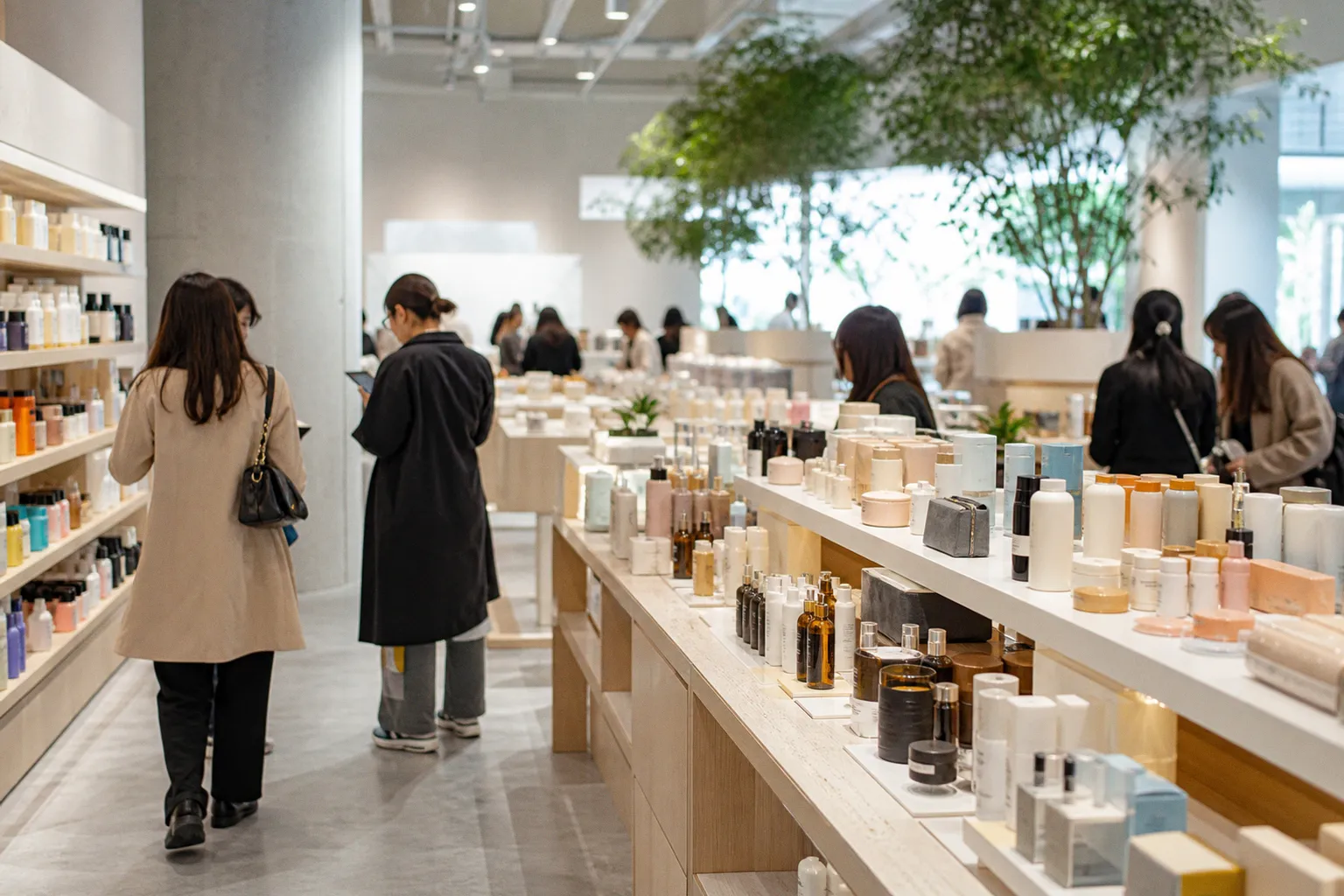
A new openPR item flags a “Science-Backed Beauty Formulations Market Top Companies Study,” while related market chatter points to U.S. beauty and personal care revenue tracking, vegan beauty demand, and AI-driven personalization at Ulta Beauty. For beauty box subscribers, the practical issue is not market size. It is whether “science-backed” becomes a useful filter—or just another label used to move sample inventory.
“Science-backed” needs receipts, not packaging copy
The openPR item identifies a market study around science-backed beauty formulations and top companies. That is all the public snippet confirms. No company list, no methodology, no product ranking, no ingredient performance data, and no pricing details are visible from the available evidence.
So treat the phrase as a claims category, not a guarantee.
For subscription boxes, this matters because “science-backed” products often land in boxes with a higher implied MSRP. That can inflate the box’s stated value without improving utility. A serum with clinical language on the tube is still a poor inclusion if the active ingredient is vague, the concentration is undisclosed, the size is too small to test properly, or the product duplicates three other items in the same routine.
The audit standard is simple:
- full-size or usable trial size;
- ingredient list provided;
- clear active or formulation purpose;
- brand claim that can be checked outside the box insert;
- MSRP that matches the brand’s own retail channel.
If a box leans on “science” but gives only filler items, the math fails.
The market signals are broad, but the box impact is specific
Statista has a current item on revenue in the U.S. beauty and personal care market from 2018 to 2031. The available snippet does not provide figures, so there is no number to cite. The useful takeaway is narrower: beauty remains a tracked retail category, and subscription boxes will keep using category momentum to justify higher-value edits.
MSN separately points to vegan beauty accelerating as consumers demand ethics and results. Again, the snippet does not give figures or brand-level proof. But it does show where box curators are likely to place marketing weight: vegan formulas, performance claims, and ethics language in the same product card.
That combination deserves scrutiny. “Vegan” tells you something about ingredient sourcing. It does not automatically tell you whether the formula works, whether the price is fair, or whether the item belongs in a paid box instead of a clearance bundle. Ethics can be a valid purchase criterion. It is not a substitute for cost-per-ounce.
Kavout’s item asks whether Ulta Beauty is redefining retail with AI and personalization. The snippet confirms the theme, not the result. For subscribers, personalization is the part to watch. If box companies borrow the same language, they need to prove it with better shade matching, fewer repeat categories, and product choices that reflect profiles rather than warehouse availability.
What to check before paying for the next “clinical” beauty box
Do not pay a premium for theme language. Price the box like an invoice.
First, separate core items from decorative value. A moisturizer, cleanser, treatment, sunscreen, or tool can carry value if the size and use case are real. A sachet, single-use mask, or tiny add-on is a filler item unless the box price already accounts for it.
Second, verify MSRP. Use the brand’s own current selling price where possible. If the box advertises a high value but the same product is regularly discounted, the stated value is soft. Depreciation applies to beauty inventory too, especially when shades, seasonal launches, or old packaging are involved.
Third, punish vague science claims. “Dermatologist-tested,” “powered by research,” and “clinical-inspired” are not the same as transparent formulation details. If the box gives no ingredient context, no product size, and no clear reason the item fits the subscription profile, the claim has no accounting value.
Verdict: wait for the actual box contents, not the market language. “Science-backed” may become a useful curation standard. Based on the confirmed information here, it is still a headline. Buy only if the item list proves the math. Otherwise, skip or wait for a promo code.