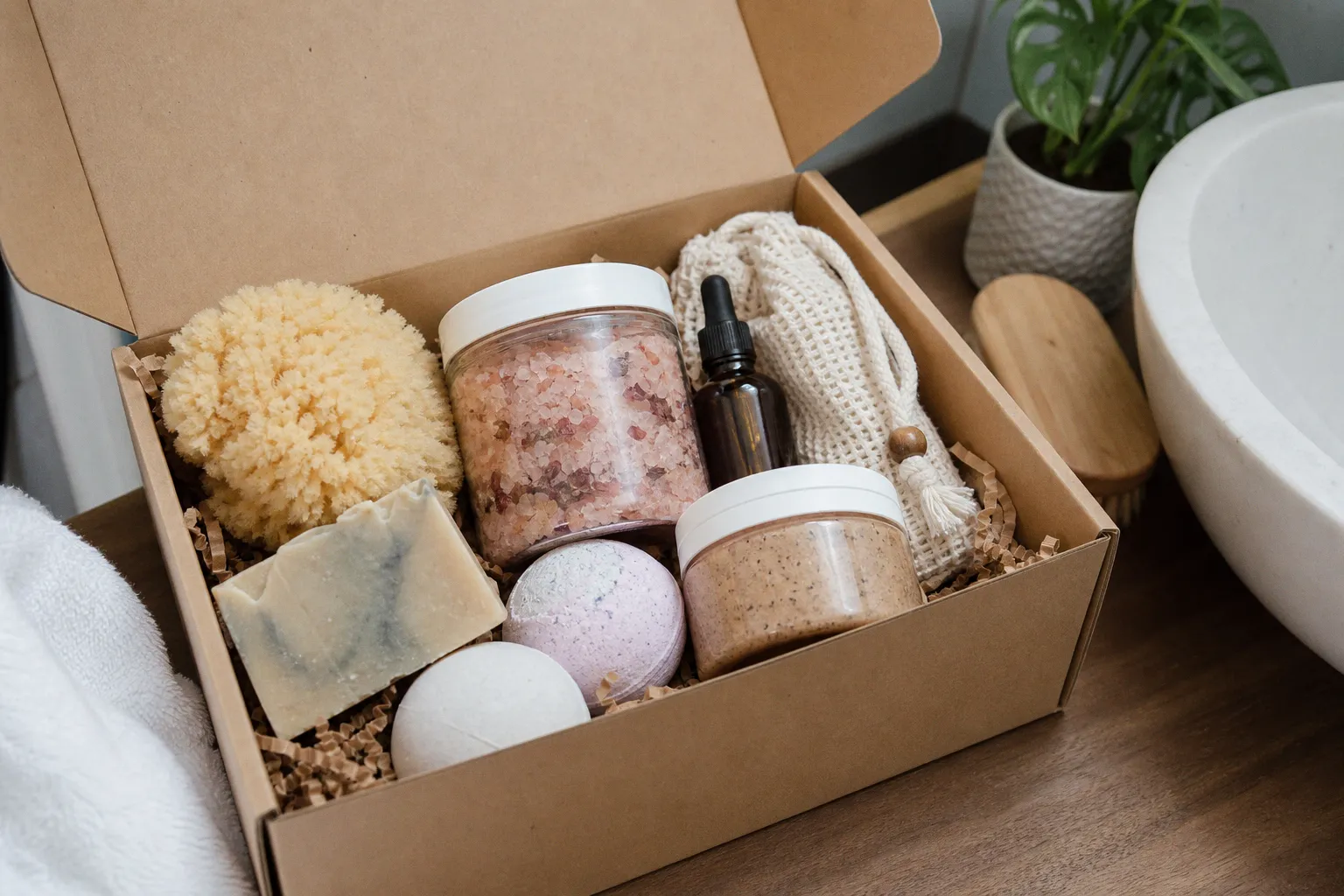
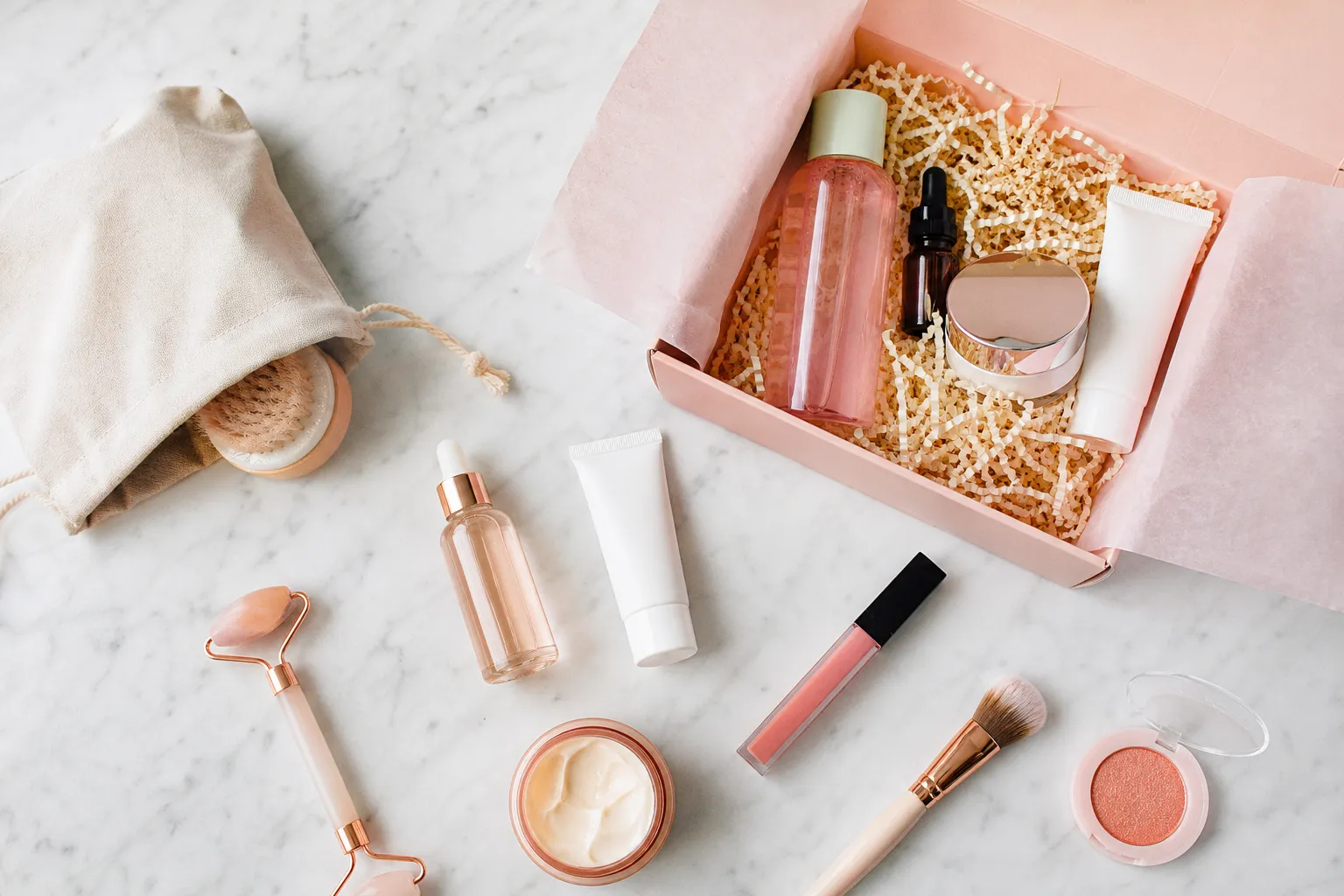
Why Quick Commerce Beauty Sales Don't Guarantee Subscription Box Value
According to ET BrandEquity, quick commerce is nearing $1 billion in beauty sales, with premium products identified as a growth driver.
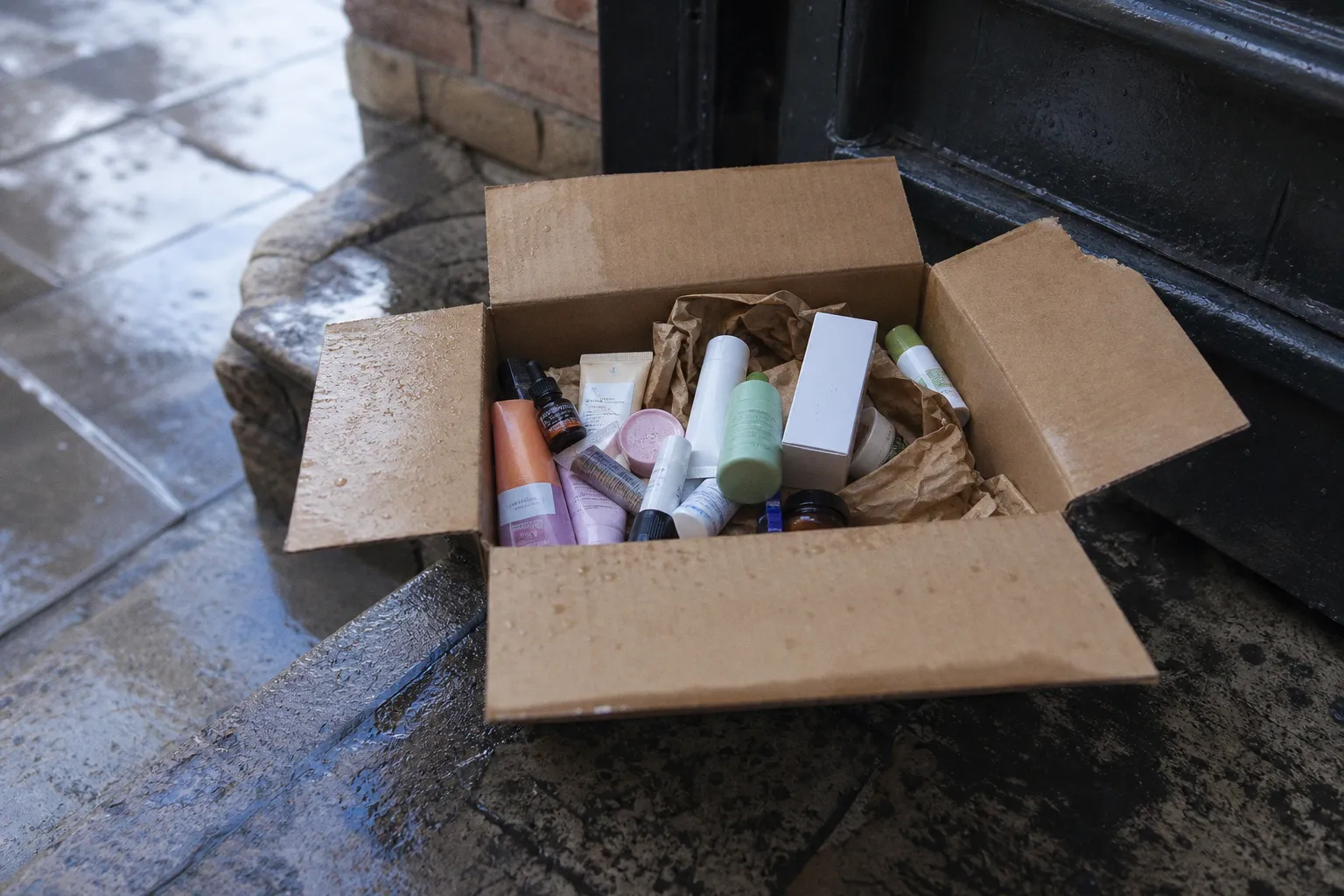
For subscription-box shoppers, that headline is not proof that a box is a better deal. It is a reminder to separate delivery speed from verifiable retail value.
The available report summary does not provide the sales period, market definition, basket size, or the products behind the figure. Those omissions matter. “Premium” can mean a higher MSRP, a larger format, or simply a higher checkout price. They are not interchangeable.
Speed is not a value metric
Quick-commerce beauty shopping competes with subscription boxes on convenience: a customer can replace a finished cleanser or buy a last-minute product without waiting for the next shipment. But fast delivery does not erase the usual cost checks.
For a beauty box, the relevant math remains simple:
- subscription price, including shipping and taxes;
- usable retail value of the exact items received;
- full-size versus sample-size product;
- repeat items and shades or formulas the subscriber will not use;
- the cost of buying only the needed item instead.
A box stuffed with high-MSRP filler can look strong on paper while delivering little utility. Likewise, a quick-commerce order can be expensive if delivery fees, minimums, or impulse add-ons inflate the final total. Neither model deserves an automatic “deal” label.
Premium demand does not validate every premium box
Indian Retailer reports that the top 75 beauty and personal-care brands account for 75% of spending on quick commerce. That is a concentration signal, not a blanket endorsement of premium beauty pricing.
For box subscribers, brand recognition should be treated as one line item in the audit. A known brand can still arrive in a travel size, an older formula, an unsuitable shade, or a category the customer already has in reserve. Retail value is only real if the product is usable and if the listed price is one a buyer would reasonably pay outside the box.
The adjacent K-beauty retail story is also worth watching: Chosunbiz reports that K-beauty is gaining U.S. mainstream reach as e-commerce grows and retailers expand. Wider availability changes the calculation for discovery boxes. If a previously hard-to-find product becomes easy to buy individually, a subscription’s discovery premium depreciates.
What to check before the next renewal
Do not renew because a box promises “premium” brands or rapid access to trends. Check the previous few boxes against your own actual usage. Remove unwanted items from the retail-value claim. Then compare the remaining cost-per-ounce and replacement cost with buying those products separately.
The report points to a beauty market where convenience and established brands are gaining spending. That may raise the bar for subscription boxes, not lower it. A box must now justify its price with confirmed contents, usable formats, and a discount that survives a strict audit.
Verdict: wait for a promo code or skip. Until a box’s disclosed items beat the cost of buying what you actually need, “premium” is marketing language—not savings.