Choose the Best Book Subscription Club for Fantasy Lovers
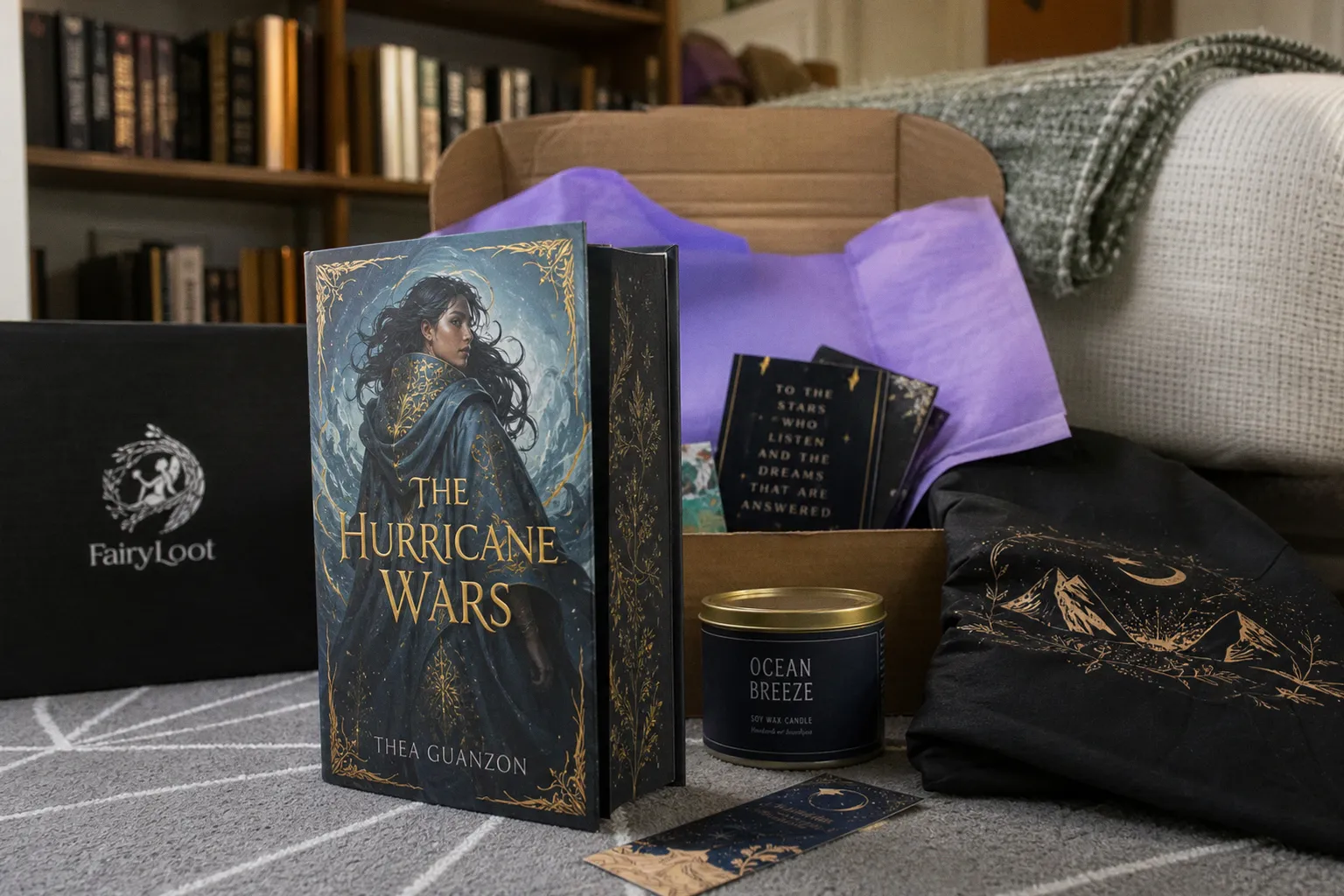
So if you are trying to figure out how to check choose the best book subscription club for fantasy, start with the boring questions. They are the useful ones. What actually comes in the box? Will you read the book, or just admire the sprayed edges? Are the extras functional, collectible, or destined for the donation bag? And does the price still make sense after shipping, renewal timing, and the real-world clutter factor?
I review boxes the way I review educational toys: I open them in a normal household, not a staged flat lay. I look at durability, repeat use, age or audience fit, and whether the item earns the space it takes up. Fantasy book boxes need the same treatment. Pretty packaging is not a value proposition.
For related context, see Choose the right EV battery chemistry for freezing winters.
The Great Divide: Book-Only vs. Full Merchandise Boxes
Most fantasy book subscriptions fall into two working categories: book-only and book-plus-goodies. That split matters more than any theme reveal or Instagram photo.
A book-only plan is for readers who want the title, often in a special edition, without paying for candles, pins, bookmarks, socks, mugs, art prints, pouches, or whatever this month’s fandom object happens to be. A full merchandise box is for readers who enjoy the whole ritual: the reveal, the themed items, the shelf styling, the feeling of a mini fandom drop.
Neither is automatically smarter. But they serve different people.
| What you are paying for | Book-only fantasy club | Full fantasy box with merchandise |
|---|---|---|
| Main value | The book itself, often hardcover or exclusive | Book plus 3–5 themed items |
| Best for | Heavy readers, collectors with limited space, lower clutter tolerance | Fans who enjoy objects, décor, cosplay-lite accessories, gifting potential |
| Risk | Paying a premium for a book you may not like | Paying for items you would not buy separately |
| Shelf impact | Controlled | Can become chaotic quickly |
| “Mess factor” | Low: one book, maybe packaging | Medium: paper shred, trinkets, candles, fragile items, duplicates |
| Resale/gifting potential | Strong if edition is desirable | Mixed; book may move, random merch may not |
The full box model can feel generous at first. A hardcover plus several items looks like a win when spread across the kitchen table. But the useful question is not “How much is in here?” It is “How much of this would I willingly pay for if it were not bundled?”
That is where boxes get exposed. A sturdy enamel pin tied to a beloved series? Fine. A thin tote with a vague quote and weak stitching? That is filler wearing a cloak. A candle with a readable scent profile and good burn quality can earn its keep. A tiny decorative object that only makes sense if you know this month’s fandom reference may have a very short attention span.
The best fantasy subscription box is not the one with the most objects. It is the one with the fewest objects you regret owning.
For a reader who wants discovery, a book-only plan can be cleaner. Less packaging, fewer decisions, lower clutter. For a reader who wants fandom merchandise as part of the fun, a full box can be worth it — but only if the included items match your actual habits. If you never use bookmarks because you read with whatever receipt is nearby, do not pretend five premium bookmarks a year are value.
Decoding Exclusive Editions, Sprayed Edges, and Shelf Appeal
Premium fantasy clubs often compete on exclusivity. Think sprayed edges, foil covers, redesigned dust jackets, author signatures, bonus content, special endpapers, or hardcover formats that differ from standard retail copies. FairyLoot and Illumicrate are well-known examples of clubs that have built strong demand around exclusive editions.
This is where the subscription fee can make sense — or get silly.
An exclusive edition has value if you care about one of three things:
1. Collecting. You want a distinctive edition and you will keep it long term.
2. Resale potential. You understand that some editions may hold value, but you are not banking the household budget on it.
3. Reading experience. You enjoy a beautiful physical copy enough that the format increases your likelihood of actually reading it.
If none of those apply, sprayed edges are decoration. Nice decoration, but still decoration.
I use a basic durability pass here, because special editions can be gorgeous and still feel flimsy. I look at:
- Cover and binding feel. Does the book open comfortably, or does it fight back like a board book with an attitude problem?
- Edge treatment. Sprayed or stenciled edges should look clean, not patchy or dusty.
- Foil and embossing. Pretty is good; rubbing off after one read is not.
- Signature or author element. Signed copies are not guaranteed across all clubs, and they usually belong to premium offerings. Do not assume every subscription includes one.
- Shelf consistency. If you collect a series, mismatched trim sizes and design changes can bother some readers more than they expect.
A special edition can justify a higher box price when the book is the product. It cannot rescue a box full of weak merchandise unless you planned to buy that edition anyway.
There is also a practical reading issue that does not get enough attention: some readers hesitate to read their nicest editions. They buy the fancy copy, then keep it pristine while buying an ebook or paperback to actually read. That is not a moral failing. It is just a cost multiplier. If your fantasy club makes you buy the same story twice, write that into the value math.
Subscription Tiers: Monthly, Three-Month, and Six-Month Commitments
Most book subscription models offer monthly plans, three-month prepaid plans, or six-month prepaid plans. Longer commitments often bring a slight discount per box. That sounds efficient. It can also lock you into six months of “not quite my thing.”
Here is the brisk parent version: do not sign up for a long plan until you know the box can hold your attention past the first reveal.
Fantasy boxes are prone to theme fatigue. The first month feels like treasure. By month four, you may notice repeated item types, similar art styles, or a steady drift toward books you would not have picked yourself. That does not mean the club is bad. It means curation has a personality, and you need to know whether that personality matches yours.
Use this as a decision ladder:
1. Start monthly if the club is new to you. Pay the slightly higher per-box rate as a testing fee. It is cheaper than being annoyed for half a year.
2. Track three boxes, not one. One great month proves very little. Three months show patterns: genre choices, item quality, shipping reliability, packaging, and how often you actually read the book.
3. Move to three-month prepaid only if you read or use most of what arrives. “I might someday” is not a metric. That is how closets become archaeological sites.
4. Choose six-month prepaid only for a proven club. The discount is useful only when the box has already earned trust.
5. Check renewal dates before you relax. Renewals commonly land on the 1st or 15th of the month. A box may ship later, often between the 15th and 25th, so you can be charged for the next cycle before you have fully judged the current one.
That last point matters. A subscription can renew before you have opened, read, or tested enough of the previous box to make a calm decision. Set a calendar reminder a few days before renewal. Not glamorous. Very effective.
A prepaid discount is not savings if it buys five boxes you would have skipped one at a time.
For households with multiple readers, a longer plan may work better. If one person dislikes the pick, another might claim it. For solo readers with narrow taste, flexibility is worth more than a small discount.
The Hidden Impact of Shipping, Especially International Shipping
The base price is the number subscription boxes want you to remember. The delivered price is the number your bank account remembers.
Fantasy book subscriptions commonly sit around $30 to $60 per month including shipping, but international subscribers can see shipping add 20–40% to the base price. That changes the whole equation. A $40 box can become a much more expensive habit once postage, currency conversion, and possible import handling are added.
This is where I stop looking at the box like a fan and start looking at it like a tired adult with a budget spreadsheet and no patience for soft-focus marketing.
When comparing clubs, calculate:
- Base subscription price. Book-only and full boxes may differ sharply.
- Shipping to your exact country or region. Do not rely on someone else’s total unless they live where you live.
- Currency conversion. A box priced in another currency can fluctuate month to month.
- Customs or import charges. These vary, and not every subscriber will face them the same way.
- Replacement policy. If a book arrives damaged, who pays for the fix? How quickly does customer service respond?
- Delivery window. If boxes ship between the 15th and 25th, are you comfortable receiving it late in the month or even into the next month depending on location?
International shipping also raises the bar for merchandise quality. A mediocre trinket is mildly annoying at domestic shipping rates. At international rates, it starts to feel rude.
If you are outside the club’s home market, book-only may be the better value because weight and bulk matter. Candles, mugs, and ceramic items can push shipping higher and increase the risk of damage. Apparel can be nice, but sizing and taste are their own little obstacle course.
I would rather pay international shipping for an exclusive hardcover I truly want than for a box padded with items that look good in an unboxing video and limp around in real life. The camera loves abundance. Cabinets do not.
For readers who also browse general culture and practical-life coverage online, it can help to step outside the subscription-box bubble occasionally; a broad leisure-and-culture site like OK Bharat is a reminder that “entertainment value” is bigger than one monthly delivery.
Customization: YA vs. Adult Fantasy Is Not a Tiny Preference
Many fantasy-focused clubs prioritize either YA fantasy or adult fantasy, and some allow subscribers to toggle between preferences. This is not a small setting buried in the account page. It determines tone, pacing, romance level, violence, complexity, tropes, and often the style of the included merchandise.
YA fantasy boxes tend to deliver faster pacing, accessible worlds, coming-of-age arcs, romantic tension, and high visual appeal. Adult fantasy boxes may lean toward denser worldbuilding, darker political structures, more complex magic systems, or slower-burn storytelling. Those are broad patterns, not laws, but they are useful when you are choosing.
Ask yourself direct questions:
- Do you want new releases or curated backlist picks? Some readers want the current conversation; others want the best book, not necessarily the newest one.
- Do you prefer romance-forward fantasy or plot-forward fantasy? Many boxes have a house style, and it shows after a few months.
- Are you comfortable with darker themes? Adult fantasy can bring heavier material; YA can too, but usually with a different treatment.
- Do you want fandom-specific merchandise or more general bookish items? A sword-shaped letter opener may delight one reader and confuse another household entirely.
- Are you sharing the box with a teen reader? Then content fit matters. Do not rely on cover art as a parental control system. That system is weak.
- Do you reread? If yes, special editions have more value. If no, library use plus occasional collector purchases may be cleaner.
Because my reviewing brain is still wired for educational products, I also track attention span. Not “Did I like the idea?” but “What happened after the box arrived?”
My fantasy box attention-span tracker looks like this:
| Time after delivery | What I watch for | What it tells me |
|---|---|---|
| First 10 minutes | Immediate excitement, inspection of book and items | Packaging and theme appeal |
| First 48 hours | Whether the book gets opened or only photographed | Real reading pull |
| First week | Which merchandise enters normal use | Functional value versus novelty |
| End of month | Whether items are displayed, used, gifted, or shoved aside | Long-term fit |
| Before renewal | Whether I would buy the next box with full information | True subscription value |
That tracker sounds strict because subscriptions are designed to make you react emotionally and renew automatically. A little friction is healthy. If the book is still untouched by renewal day and the merchandise has already become clutter, the box did not pass.
Merchandise Quality: The Good, the Filler, and the “Why Is This Here?”
A full fantasy box usually promises one hardcover plus three to five themed items. The number is less useful than the item mix.
The best merchandise has one of these jobs:
1. It supports reading. Bookmarks, annotation tabs, book sleeves, reading lights, page holders, tea blends if you actually drink tea.
2. It supports display. Art prints, shelf décor, collectible pins, character cards, dust jackets.
3. It supports daily use. Mugs, tote bags, stationery, candles, socks, pouches.
4. It supports fandom collecting. Items tied clearly to specific books, authors, or characters.
The weakest merchandise has a different pattern: vague quotes, thin fabric, generic “reader” slogans, low-grade plastic, or items that are technically themed but not useful. A box can include five things and still feel thin if two are paper items, one is filler, and one breaks eye contact after a week.
Durability testing for book merch is not complicated. I use normal-life tests:
- Tote bag: Can it hold hardcovers without the seams complaining?
- Mug or ceramic: Any chips, glaze issues, or hand-wash-only nonsense hiding in tiny print?
- Candle: Does it smell balanced when burning, or only when cold?
- Book sleeve: Is the padding protective enough for a hardcover in a bag?
- Stationery: Is the paper pleasant to write on, or is it decorative landfill?
- Apparel: Does the print feel like it will survive washing, or does it have that temporary school-fundraiser energy?
The “mess factor” is also real. Some boxes arrive with shredded paper, confetti-style fill, multiple plastic sleeves, or delicate items nested inside more packaging than a toddler toy set. If you live in a small space, or if pets and children treat floor debris as an invitation, this matters. A subscription should not require a cleanup shift.
New Releases, Classics, and the Curation Problem
A good fantasy book club does more than ship a book. It makes a curation promise. Some clubs lean into buzzy new releases. Others mix in curated classics, hidden gems, or titles selected around a theme. The right model depends on how you read.
New-release clubs are useful if you like being part of the current fantasy conversation. You get the book near launch, often in a special format, and the excitement is built in. The risk is hype inflation. Not every new release is a keeper, and monthly schedules can reward speed over staying power.
Curated-classic or backlist-friendly clubs can be better for readers who missed major series, want stronger editorial judgment, or dislike chasing trends. The risk is duplication. If you already own a lot of fantasy, you may receive books you have read, gifted, or abandoned before.
This is where customization and skip policies become practical, not decorative. A club that allows genre preference, YA/adult selection, or book-only versus full-box toggles gives you more control. A club with rigid themes can still be excellent, but only if your taste aligns with its lane.
For comparison shopping, I’d rank the curation signals like this:
| Signal | Why it matters | Red flag |
|---|---|---|
| Clear genre lane | You know whether the club favors YA, adult, romantasy, epic, cozy, dark, or mixed fantasy | Vague “magical reads” language with no pattern |
| Past box archive | Lets you judge taste and item quality | Only polished close-ups, no full contents |
| Book-only option | Helps separate reading value from merch value | Full box is the only choice, even if extras are weak |
| Skip or cancel terms | Protects you from mismatch months | Renewal happens before useful reveal information |
| Edition details | Shows whether exclusivity is meaningful | “Special” used without specifics |
A subscription does not need to be perfectly customizable. But it should be honest about what it is. A narrow club with strong taste is better than a box trying to please every fantasy reader alive.
Final Verdict: Choose by Use, Not by Unboxing Drama
The best fantasy book subscription club for you is the one that matches how you actually read, collect, and live with objects after the reveal is over.
Choose book-only if you want cleaner value, lower clutter, and the strongest focus on the novel or exclusive edition. Choose a full merchandise box if themed items are part of the pleasure and you reliably use or display them. Pay more for exclusive editions only when the design, author element, or collector value matters to you personally. Be cautious with long prepaid plans until the club has proven itself across at least a few boxes. And if you are an international subscriber, do the delivered-price math before falling for the base price.
My strict assessment: most fantasy book boxes require light but real supervision — not parental supervision, obviously, but adult-budget supervision. You need to watch renewal dates, shipping costs, edition claims, and the slow creep of merchandise. A good club can be a satisfying monthly treat and a smart way to discover fantasy. A bad-fit club is just expensive shelf noise with pretty edges.
FAQ
What is the difference between a book-only and a full merchandise subscription?
How can I tell if an exclusive edition is worth the extra cost?
Why should I avoid signing up for a six-month prepaid plan immediately?
What should I consider before choosing between YA and adult fantasy boxes?
How do I determine if a subscription box is a good fit for my budget?
 Lifestyle & Geek BoxesWhich book subscription box fits your reading style?
 Lifestyle & Geek BoxesSelf-care subscription box criteria: what to buy and why
 Beauty & Fashion BoxesCompare Clean Beauty Boxes Under $40 for Sensitive Skin
 I’m a beauty editor — these 41+ Prime Day beauty deals are actually worth it