Self-care subscription box criteria: what to buy and why
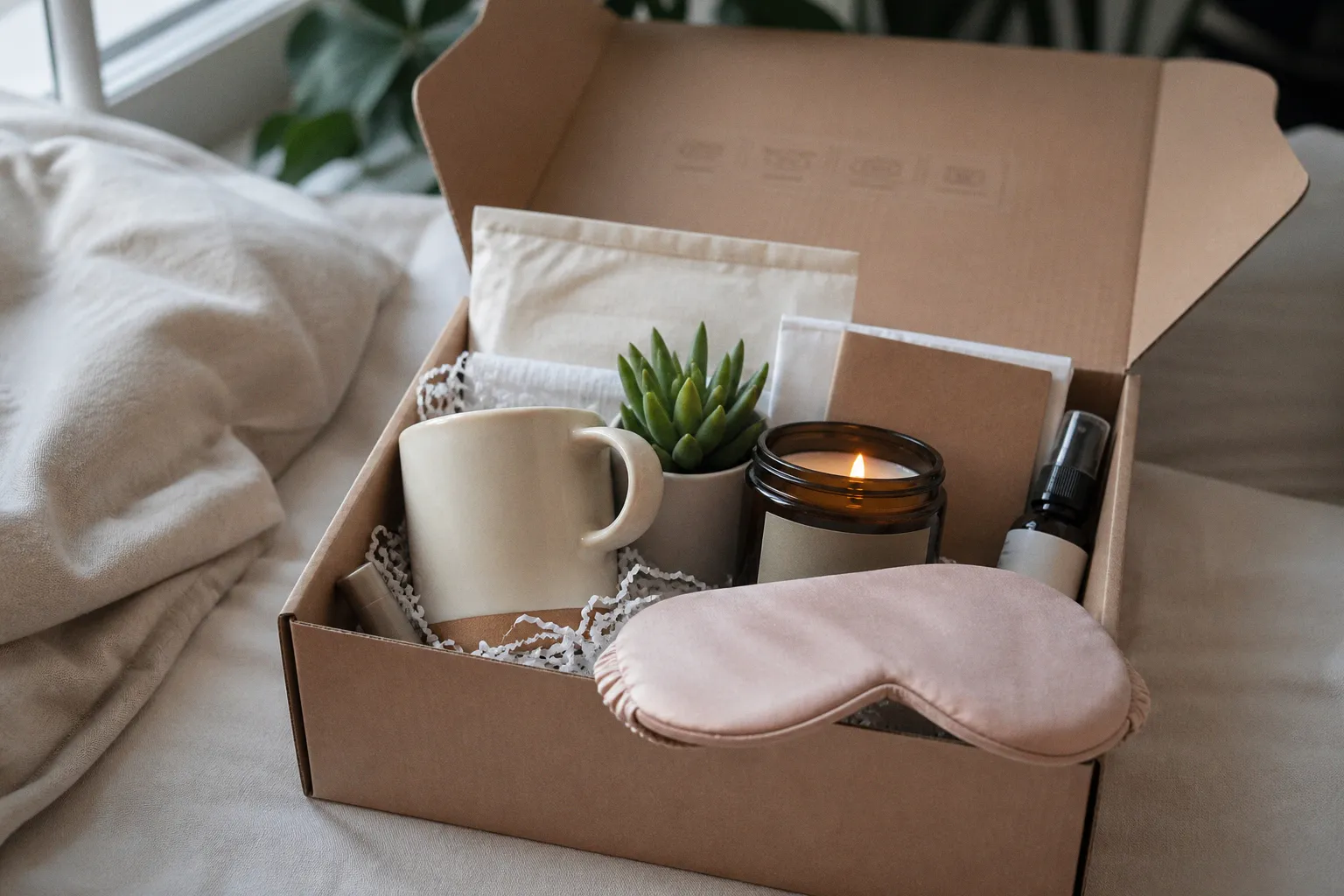
The category is crowded because the subscription box market itself is big and still growing: it was valued at about $22.7 billion in 2022, with projected annual growth of 18% through 2030. That growth has brought some genuinely useful wellness curation—skincare, aromatherapy, stationery, books, hobby kits, fandom comfort items—and a lot of soft-focus filler. The useful question is not “Which box looks nicest?” It is: does this box reduce decision fatigue, deliver usable products, and avoid becoming one more thing you have to manage?
The economics of curation: retail value is not the same as real value
Most self-care boxes sell the same promise: pay less than the listed retail value of the items inside. In practice, a healthy curation-to-cost ratio usually means the combined retail value should exceed the subscription price by at least 30–50%. If a box costs $40, I want to see roughly $52–$60 in credible retail value before shipping enters the conversation.
But that number is only the first filter. Retail value can be inflated fast, especially with boutique skincare, private-label candles, and “exclusive” lifestyle goods with no meaningful price history. A $28 rollerball oil is not automatically a $28 value if it smells like a hotel lobby and nobody in the house will use it.
Here is the quick math I use before giving any self-care box a pass:
| Evaluation point | Good sign | Bad sign |
|---|---|---|
| Retail markup | Items total at least 30–50% above box cost | Value barely clears the subscription price |
| Price credibility | Products are sold elsewhere at similar prices | “Retail value” exists only on the box brand’s site |
| Usability | Most items fit normal routines: skincare, journaling, bath, tea, reading, desk use | Too many symbolic items with no practical role |
| Repeat value | Consumables get used up; tools are durable | Same candle/notebook/face mask cycle every month |
| Fit | Scent, skin type, size, and style preferences are adjustable | One-size-fits-all curation in a category full of personal preferences |
The trap is assuming a high retail value means a good buy. I have tested enough subscription boxes in a real household—with limited storage, competing routines, and very little patience for “maybe I’ll use this someday”—to know better. Value only counts when the item has a job.
A $70 claimed value means nothing if $40 of it becomes bathroom counter archaeology.
A strong self-care box should feel like someone edited the wellness aisle for you, not like someone cleared a warehouse shelf and added tissue paper.
High-utility items beat pretty filler every time
Self-care boxes tend to mix four common product families: skincare, aromatherapy, stationery, and comfort or fandom-specific merchandise. All can be worthwhile. All can also become junk, depending on execution.
The best wellness subscription boxes usually include at least two high-utility items per shipment. By high-utility, I mean products that have an obvious use case within a week of opening the box. Not aspirational use. Actual use.
Examples that usually perform well:
1. Skincare with clear fit information. Cruelty-free or vegan skincare can be a good anchor item, but only if the product is labeled clearly for skin type and use. A gentle cleanser, body butter, lip treatment, or hand cream has broader utility than an aggressive peel or mystery serum.
2. Aromatherapy that does not hijack the room. Candles, essential oils, shower steamers, and bath soaks are common for a reason. They feel giftable and easy. But scent is personal. A box that lets subscribers choose scent families—fresh, herbal, floral, gourmand—has a much better chance of staying useful.
3. Stationery that supports a habit. A notebook is not automatically filler. A structured journal, planning pad, habit tracker, or well-made pen can support mindfulness, independent reflection, or a lower-screen evening routine. A flimsy quote card, on the other hand, has a short attention span and a long life in the junk drawer.
4. Fandom comfort items with restraint. In geek and lifestyle boxes, a mug, enamel pin, art print, bookish item, or collectible can be delightful if it fits the subscriber’s interests. Without fandom customization, it becomes a gamble. I have no patience for boxes that assume “pop culture” is a personality type.
5. Small wellness tools that survive use. Eye masks, gua sha tools, reusable heat packs, sleep socks, tea infusers, or desk-friendly sensory items can be excellent—if they are not flimsy. Durability matters. If it breaks, leaks, pills, sheds, stains, or smells odd out of the box, it fails.
Low-value filler has its own smell. Sometimes literally.
You can spot it quickly: tiny sample sachets counted as full items, generic affirmation cards, plastic trinkets, mini notebooks with poor paper, low-grade bath bombs that crumble in transit, jewelry with mystery metals, or “exclusive” art prints that look like they were designed at 11:47 p.m. to fill a slot.
My durability and mess-factor test
I use a stricter test for self-care boxes than the marketing copy expects. It is not glamorous, but it works.
- Packaging check: Did anything leak, melt, crack, shed glitter, stain paper, or perfume the entire box? A self-care box should not start with counter cleanup.
- Label check: Are ingredients, allergens, scent notes, and usage instructions easy to find? This matters for skincare, essential oils, teas, and bath products.
- One-week use check: Did I naturally reach for the item within seven days, or did it require a lifestyle reboot to justify owning it?
- Storage check: Does it have an obvious place to live? Bathroom, bedside table, desk, tote bag, bookshelf. If not, it becomes clutter.
- Repeat check: Would I want another version of this item next month? If the answer is no for three months running, product fatigue is coming.
This is where many boxes stumble. They confuse novelty with usefulness. A novelty item can be fun once. A subscription has to be livable over time.
Personalization is not a bonus; it is the retention engine
Personalization is one of the strongest signals that a self-care box understands its own category. Wellness is personal by definition. Scent preferences, skin sensitivities, clothing sizes, reading tastes, fandom interests, caffeine tolerance, bath versus shower routines—these are not tiny details. They decide whether the box gets used.
A self-care box that asks only for your email and payment method is asking you to absorb all the risk.
Good personalization does not have to be complicated. It can be a short preference quiz with useful choices:
- Scent families: citrus, woodsy, floral, herbal, unscented.
- Skincare boundaries: dry, oily, sensitive, fragrance-free, vegan, cruelty-free.
- Lifestyle fit: bath products, shower-only, desk items, sleep support, journaling, reading.
- Fandom or aesthetic interests: cozy fantasy, gaming, anime, cottagecore, dark academia, minimalist, bright and playful.
- Product exclusions: no candles, no essential oils, no jewelry, no food, no loose tea.
This is especially important for anyone looking at a mindfulness box subscription or what gets marketed as a mental health subscription box. I am careful with that phrase. A box cannot treat anxiety, depression, burnout, or stress in any clinical sense, and brands should not imply that it can. What it can do is support routines: a screen-free evening, journaling, sensory decompression, a better sleep wind-down, or a small hobby practice that does not require a supply run.
Personalization is the difference between “someone curated this for me” and “someone mailed me their idea of calm.”
The more intimate the category, the less acceptable generic curation becomes. Nobody wants to receive lavender bath salts every month if they do not have a bathtub. Nobody wants peppermint essential oil if scents trigger headaches. Nobody needs another “breathe” card when what they asked for was functional desk stationery.
Product fatigue: the quiet reason people cancel
Subscription boxes often lose subscribers not because one box is terrible, but because the fourth box feels exactly like the second. This is product fatigue: the creeping sense that you are paying for repetition.
In self-care, fatigue usually appears in predictable ways:
| Fatigue pattern | What it looks like | Why it causes cancellations |
|---|---|---|
| Candle overload | A candle or wax product every shipment | Scent storage piles up; preferences get missed |
| Skincare roulette | Random masks, serums, scrubs, and oils | Skin tolerance is personal; unused products accumulate |
| Stationery sameness | Monthly notebook plus pen plus quote card | Useful once, repetitive fast |
| Seasonal laziness | Pumpkin spice in fall, peppermint in winter, florals in spring | Predictable curation feels phoned in |
| Faux-premium filler | “Exclusive” items with inflated value | Subscribers feel managed, not served |
Seasonal variety helps, but only if it goes beyond obvious themes. A strong winter box might include a richer hand cream, a reading accessory, herbal tea, and a sleep-support item. A weak winter box throws in a peppermint candle and calls the job done.
The same applies to fandom and geek-leaning self-care boxes. A cozy gaming-themed box can be excellent if it includes a desk mat, screen cloth, enamel pin, snack, ambient lighting item, or themed journal that actually fits a gaming setup. It fails when every month is a random keychain and a low-quality print.
The attention-span tracker I use is simple: how long does the box stay interesting after the unboxing moment?
- Five minutes: Mostly visual novelty. Fun to open, weak to own.
- One evening: A bath product, snack, mask, or candle creates a short ritual. Fine, but not enough alone.
- One week: Items integrate into desk, bathroom, sleep, reading, or hobby routines. Good sign.
- One month or more: Durable tools, replenishable consumables, or deeply matched fandom/lifestyle items. Strong sign.
The best self-care box review should tell you where the box lands on that scale. Not just what came inside. Not just retail value. The shelf life of interest matters.
For broader consumer context, I also keep an eye on daily business and live news because subscription pricing, shipping costs, and retail trends do not exist in a vacuum; they show up in box quality faster than brands like to admit.
Brand transparency: ingredients, sourcing, and cancellation terms
A self-care box does not need to be luxury to be trustworthy. It does need to be clear.
Transparency starts before checkout. The brand should show examples of past boxes, explain how often customization opens, state shipping cadence, and make cancellation terms findable without a scavenger hunt. If a company hides the basics, I assume the box itself will be equally casual with details.
For wellness and lifestyle items, ingredient and sourcing clarity matter more than the pretty insert card. I want to know:
- Who made the product?
- Is it full-size, deluxe sample, or private-label?
- Are skincare items cruelty-free or vegan if the brand claims that lane?
- Are allergens, fragrance, and essential oil warnings visible?
- Are food or tea items sealed and labeled properly?
- Are jewelry or metal accessories identified well enough for sensitive skin?
- Are bath products packaged so they do not contaminate paper goods or textiles?
Ethical sourcing can be meaningful, but it is also a phrase that gets stretched until it loses shape. A box that features small makers should name them. A box that claims sustainability should explain packaging choices, not just use kraft paper and beige ink. A box that leans on handmade goods should still meet basic durability standards. Charming does not excuse leaky.
The cancellation and skip-policy test
I am more forgiving of a niche box with a narrow theme if it lets subscribers skip easily. That is especially true for self-care, where personal inventory builds up. You may love candles and still not need twelve in a year.
Before subscribing, I would look for:
1. A clear skip option. If you can pause a month without emailing support three times, that is a green flag.
2. Visible renewal dates. Auto-renewal is standard; surprise renewal timing is not.
3. Customization reminders. If choice windows are short, the brand should notify subscribers.
4. No penalty-box behavior. Skipping should not cause you to lose all preferences or loyalty benefits without warning.
5. Easy cancellation. If signing up takes thirty seconds and canceling requires a customer service obstacle course, I do not trust the model.
This is not legal fine print nitpicking. It affects actual value. A good self-care subscription should flex around real life: travel, budget changes, product backlog, scent fatigue, and the months when you simply do not need more stuff.
Comparing common self-care box types
Not every self-care box is trying to do the same job. That is where many buyers make the wrong comparison. A skincare-heavy box, a mindfulness box, a bookish comfort box, and a fandom lifestyle box should not be judged by identical standards.
| Box type | Best for | Watch for | Strong value signal |
|---|---|---|---|
| Skincare-focused wellness box | People who like trying body care, masks, creams, and clean beauty | Skin sensitivities, fragrance, too many samples | Full-size products with skin-type preferences |
| Aromatherapy and bath box | Bath routines, candle lovers, evening wind-down | No bathtub, scent headaches, repetitive candles | Scent customization and good packaging |
| Mindfulness/journaling box | Screen-free routines, reflection, habit support | Generic quote cards, repetitive notebooks | Structured tools that guide actual use |
| Bookish self-care box | Readers who want cozy add-ons with books or literary goods | Genre mismatch, cheap prints, duplicate mugs | Genre preferences and useful reading accessories |
| Geek/fandom self-care box | Gaming, pop culture, anime, fantasy, cozy fandom rituals | Random IP scatter, low-grade collectibles | Fandom selection and durable merch |
| General lifestyle box | Variety seekers who want surprise | Weak identity, filler-heavy curation | Consistent quality across categories |
The safest pick for most people is not necessarily the box with the highest claimed value. It is the one with the strongest match between theme, customization, and your actual routines.
If you never take baths, do not subscribe to a bath-heavy box because the photos look peaceful. If you are picky about skincare, avoid boxes that do not let you exclude actives or fragrance. If you like fandom merch but hate clutter, prioritize useful items—mugs, desk gear, socks, bookmarks, pouches—over collectibles with no function.
This is the same logic I use when reviewing educational toy subscriptions: the best item is not the one that looks most impressive in the reveal photo. It is the one that survives repeat use, fits the child’s developmental stage, and does not require a parent to manage the entire activity. For adults, swap “developmental stage” for “daily routine,” and the rule still holds.
What I would actually pay for
A self-care subscription box is worth buying when it does three things consistently: gives you more usable retail value than you paid, respects your preferences, and avoids repeating the same low-effort comfort objects month after month.
I would pay for a box that includes three to five well-chosen items, at least two of which I can use immediately. I would pay more for strong customization than for an inflated retail value. I would rather receive a $45 box with four useful, preference-matched items than a $75 claimed-value box where half the contents are scented guesses and decorative filler.
The better boxes understand that self-care is not always spa-coded. Sometimes it is a book light, a genuinely good hand cream, a tea you will drink, a desk item that makes work feel less grim, a soft pair of socks that does not pill after one wash, or a fandom item that lands because the box bothered to ask what you like.
The weaker boxes lean on mood words. Calm. Ritual. Nourish. Reset. Nice words. Not enough.
My strict verdict: subscribe only if the box shows past shipments, offers meaningful personalization, clears the 30–50% value markup with believable pricing, and has an easy skip or cancel policy. If it cannot do those things, buy yourself one excellent candle, one good notebook, and one product you already know your skin tolerates. That may not arrive in a pretty mailer, but it will require less supervision—and in this category, that counts.
FAQ
How can I tell if a self-care subscription box is worth the money?
What should I look for in a subscription box to avoid clutter?
Why do I keep getting items I don't use in my subscription box?
What are the red flags of a low-quality self-care box?
How do I know if a subscription box is easy to cancel?
 Lifestyle & Geek BoxesChoose the Best Book Subscription Club for Fantasy Lovers
 Lifestyle & Geek BoxesWhich book subscription box fits your reading style?
 Beauty & Fashion BoxesCompare Clean Beauty Boxes Under $40 for Sensitive Skin
 I’m a beauty editor — these 41+ Prime Day beauty deals are actually worth it