Romance book subscription box: top picks and value trade-offs
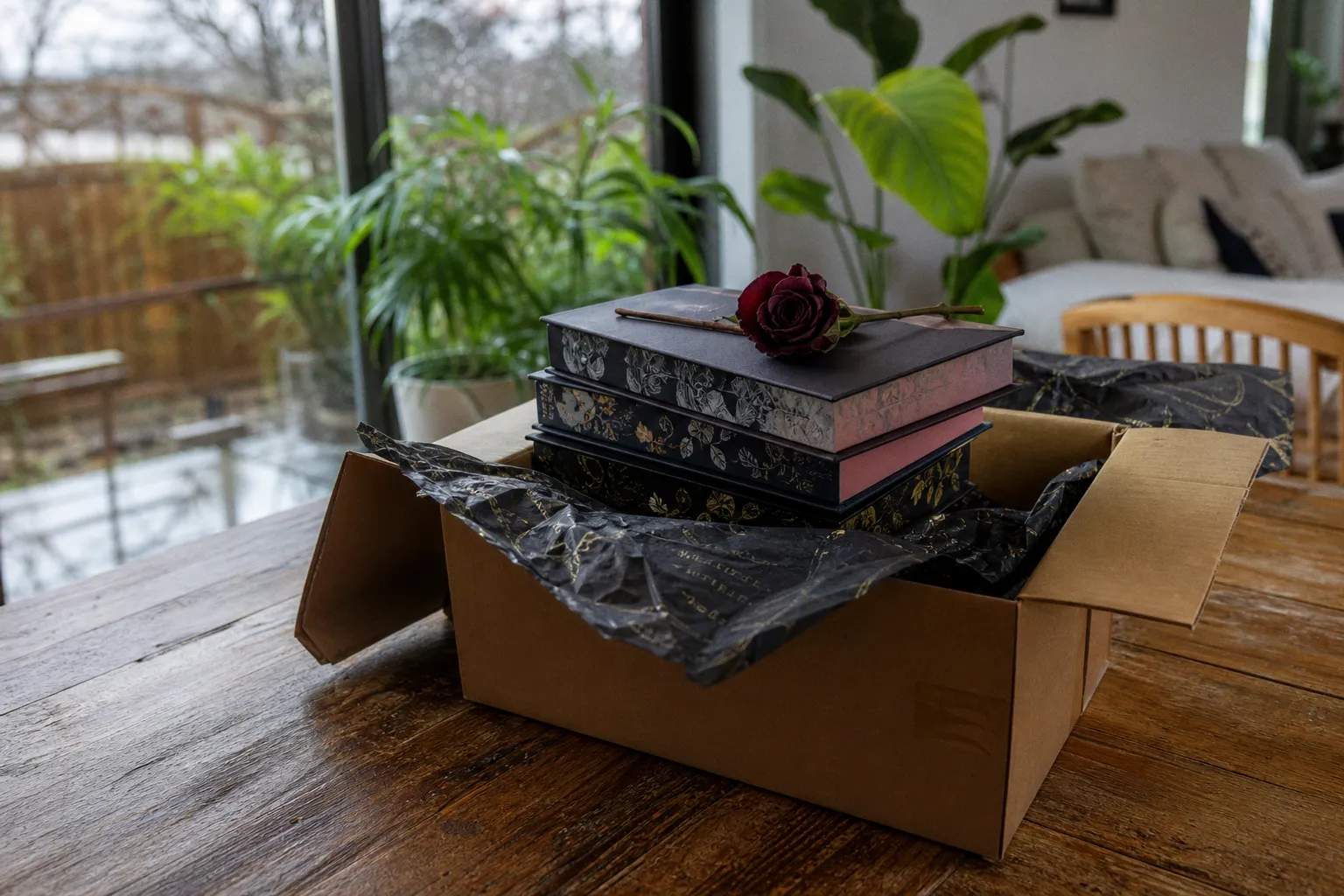
Those are not interchangeable purchases, even when the marketing calls both of them “curated.”
I tested these services the way I assess any recurring box: What arrives consistently? How long does it hold attention? Does the book earn its shelf space, or is the unboxing doing most of the work? And, bluntly, will you still be happy with the charge when the novelty has worn off?
The best romance book boxes divide into three clear lanes: bulk reading, collector editions, and reading experiences with gifts. Pick the wrong lane and the box will feel overpriced before you reach chapter three.
The economics: volume versus exclusivity
The headline price is rarely the useful number. For a romance reader who finishes several books a month, cost per readable book matters. For a collector of sprayed edges and exclusive cover art, it mostly does not. And for someone buying a box as a monthly ritual, the item count is less relevant than whether the experience actually gets used.
Here is the practical comparison.
| Subscription | Format | Listed recurring price | What you are paying for |
|---|---|---|---|
| Harlequin Romance Book Box | Six romance books monthly | $48.96, shipping included | Volume and dependable genre delivery |
| Illumicrate Afterlight | One adult romance book monthly | $27, plus shipping and tax | Curated contemporary romance and collectible treatment |
| FairyLoot Romantasy Book-Only | One adult hardcover monthly | $29, plus shipping and tax | Premium romantasy edition and fandom appeal |
| Once Upon a Book Club Adult | One adult title plus reading gifts | $49.99, plus shipping | Interactive unboxing experience |
| Underbrush Books | Four romance paperbacks quarterly | $75 | Indie bookseller curation, signed books, swag |
Harlequin works out to about $8.16 per book before tax. That is actual reading volume at a reasonable price. The others are not trying to compete on that metric, and they should not pretend to.
A $27 Afterlight subscription with continental U.S. shipping added is already at least $34.99 before tax. FairyLoot starts at $29 before shipping and tax. Those prices can be fair if you actively collect special editions. They are poor value if you are mostly looking for your next paperback to take to the beach.
A premium romance box is not a bargain version of buying books. It is a collector purchase with a book inside it.
Harlequin: the high-volume option that knows what it is
Harlequin’s Romance Book Box is the least glamorous option here, which is exactly why it may be the smartest choice for a heavy genre reader. The monthly shipment includes six handpicked romance books, including two free books, for $48.96 with shipping included.
That price clarity matters. There is no “$29 box” that quietly becomes $42 after shipping, no waitlist to monitor, and no pressure to care about whether the cover has foil details. You get six books and a manageable per-book cost.
The introductory offer is currently listed at $29.22 with free shipping and a stated $78 value. Nice first-box deal. Not the monthly price. The regular renewal is $48.96, and that is the figure I would use when deciding whether it fits your reading budget.
What the Harlequin model does well
- It supports fast readers. If you routinely finish one or two romances a week, six books can keep the TBR pile from becoming a panic purchase at the bookstore.
- It minimizes decision fatigue. You do not need to research every release, compare editions, or chase a sold-out special cover.
- It has a low clutter-to-reading ratio. There is no box full of candles, bookmarks, enamel pins, or postcards that need a drawer afterward.
- It is easier to share. A mixed shipment can be swapped among friends, passed to a local little library, or brought to a book club pile without the guilt that comes with breaking up a pricey collector set.
The trade-off is simple: this is a reading subscription, not a signed romance books subscription. If your shelf aesthetic matters as much as the story, Harlequin will look plain next to FairyLoot or Afterlight. It is also broad by design. A reader with narrow trope preferences—only queer contemporary, only dark mafia romance, only closed-door historical—may find the curation too wide.
Still, this is the best romance book subscription box for readers who want books, not packaging. That distinction sounds obvious, but it eliminates a lot of expensive disappointment.
Afterlight and FairyLoot: collectible editions with very different reader fit
Collectible subscriptions create a different kind of anticipation. The book needs to be good enough to read, but it also needs to feel like an object worth keeping. That raises the stakes. A mediocre $9 paperback is a minor annoyance. A disappointing $40-ish special edition including delivery is shelf guilt.
Illumicrate Afterlight is for contemporary romance readers first
Afterlight is Illumicrate’s monthly book-only romance subscription. It focuses on adult contemporary romance, with occasional paranormal romance, and its selections can include new releases, debuts, and stories featuring underrepresented characters or relationships. Spice levels vary.
The subscription price is $27 per month in the U.S., but that is not the final charge. Book-only shipping is listed at $7.99 in the continental U.S. and $8.99 for Alaska, Hawaii, Guam, APO addresses, Puerto Rico, and other islands, with taxes added where applicable.
That puts a mainland U.S. subscriber at $34.99 before tax in a typical month. No issue if you want the curation and are excited by the physical edition. But call it what it is: a premium single-book purchase on a recurring schedule.
The other operational issue is availability. Afterlight has had an estimated waitlist of eight to 12 weeks. Do not buy a gift card or plan a birthday surprise around immediate access unless enrollment is confirmed at the time.
My attention-span tracker favors Afterlight for readers who genuinely enjoy romance across subgenres but do not want to commit entirely to fantasy worlds. It has a better chance of being opened and read promptly by someone whose actual reading life includes contemporary releases, debut authors, and relationship-driven stories.
FairyLoot Romantasy is a fandom subscription, not a general romance box
FairyLoot’s U.S. Romantasy Book-Only plan costs $29 per month before shipping and tax. It includes one adult-oriented hardcover romantasy book and ships toward the end of the month.
The distinction matters. Romantasy is not simply contemporary romance with a map in the front. The pacing is often slower, the worldbuilding asks more of the reader, and the emotional payoff may be stretched across a series. If you want a standalone small-town romance every month, this is the wrong fit no matter how stunning the edition looks.
FairyLoot also specifies that its selections are for readers 18+ and may contain darker themes or material unsuitable for every reader. That is a useful warning, not legal fine print to skip. A shared household shelf is not the place to assume a gorgeous cover signals light content.
The Adult + Romantasy combo is listed at $51.90 per month before shipping and tax. For a committed collector who wants both lanes, that may make sense. For anyone with a growing unread stack, it can turn into expensive visual clutter very quickly.
If you only want the special edition after seeing it online, you probably do not want a blind monthly collectible subscription.
The real durability test for collector boxes
I use a very basic test: six weeks after delivery, is the book being read, displayed with intention, loaned out, or still sitting in its shipping sleeve?
A collectible edition should survive more than the unboxing dopamine hit. Durable value can look like:
- a title you would have bought anyway;
- a new author whose work you plan to follow;
- a design you genuinely want on the shelf;
- a book that matches your comfort level for spice, darkness, and genre complexity;
- an edition you would be unhappy to replace with a standard copy.
If the answer is “I just like surprise mail,” choose a lower-cost box. Surprise is a weak reason to spend premium-book money twelve times a year.
Once Upon a Book Club: more activity kit than book shipment
Once Upon a Book Club’s Adult Month-to-Month subscription costs $49.99 plus shipping, renews automatically, bills on the 25th of each month, and ships at the end of the month. The defining feature is its wrapped gifts: readers open each one at a designated page number while reading.
This is not a romance-only subscription, which needs to be said plainly. Romance may appear, but the adult format covers broader fiction. If your goal is specifically a contemporary romance book subscription, this is a riskier choice than Afterlight or Harlequin.
What you are buying is paced interaction. The book becomes a guided event: read, hit a page marker, open a package, continue. For some readers, especially those who struggle to set aside uninterrupted reading time, that structure can create momentum. It breaks a book into little rewards without requiring a screen or an app.
But it also has the highest mess factor of this group. Wrapped items accumulate. Packaging accumulates. Gifts can be charming, but they can also become the kind of small novelty item that migrates around the kitchen counter for a month because nobody knows where it belongs.
This box performs best as an occasional gift or a deliberate seasonal treat. I would not recommend it as the default monthly choice for a reader who wants maximum romance book box value. The book itself is only part of the purchase, and the extras are only valuable if the recipient enjoys the format.
There is a useful parallel in other recurring spending categories: compare the recurring structure, not just the teaser price. Even a quick comparison of platform trade-offs makes more sense when fees, lock-in, and actual use are separated from the marketing promise. Subscription boxes deserve the same adult math.
Underbrush Books: quarterly pacing for readers tired of algorithmic curation
Underbrush Books takes the opposite approach from monthly collector boxes. Its romance subscription is quarterly, priced at $75. The announced July 2026 box is wedding-romance themed and includes four romance paperbacks, signed editions, author swag, and custom swag selected by indie booksellers.
At face value, that is about $18.75 per book before assigning any value to signatures or extras. It is clearly not a volume bargain. But quarterly pacing changes the practical experience.
A monthly box can arrive before you have finished the previous one. That is how a fun subscription turns into an obligation. Quarterly delivery gives readers room to finish, trade, or shelve what they received. It also gives the curation more room to have a point of view rather than simply filling a monthly shipping cycle.
This is the strongest option for the reader who wants indie-bookstore energy and does not need every item to be a flashy special edition. It is also more plausible as a gift for someone whose tastes are broad enough to enjoy a themed selection but who does not want four separate surprise charges every month.
The limitation is the same one that applies to all theme-forward boxes: a wedding-romance focus is excellent if that is your mood and dead weight if it is not. You are subscribing to a curator’s taste, not building a custom romance menu.
The hidden costs that make or break romance book box value
The recurring charge is the easy part. The useful number is the total monthly cost plus the likelihood that you will read or keep what arrives.
Before subscribing, I would run through these questions:
1. Is shipping included, fixed, or added later? Harlequin includes shipping in its recurring $48.96 price. Afterlight and FairyLoot list base subscription prices before shipping and applicable taxes. That difference changes the comparison immediately.
2. Is there a waitlist? Afterlight’s reported eight-to-12-week wait means it is not a reliable immediate purchase. Waitlists can also create false urgency: do not join just because access feels scarce.
3. Are you paying for books or objects? Neither answer is wrong. It is wrong only when you want six readable romances but subscribe to a one-book collector service, or want a display edition but choose a bulk paperback shipment.
4. Can you tolerate content variability? Afterlight’s spice levels vary. FairyLoot warns of darker adult material. Future titles, tropes, content warnings, and representation cannot be guaranteed month to month.
5. What happens to the extras? For experience-led and swag-heavy boxes, count the storage cost. Not in dollars—on shelves, desks, and mental bandwidth. A book is easy to resell, donate, or lend. Niche merchandise is often not.
6. Will automatic renewal catch you off guard? Once Upon a Book Club bills monthly and auto-renews. That is standard subscription behavior, but standard does not mean harmless. Put the renewal date on your calendar if this is a discretionary treat rather than a fixed reading expense.
A box can have a high advertised retail value and still have low personal value. A signed book you would never read, a candle you will not burn, and a bookmark you do not need do not become worth more because the packing slip says they are.
Which romance subscription is actually worth the fee?
My strict verdict: Harlequin is the best value for a reader who wants to consume romance regularly. Six books for $48.96 shipped is straightforward, and the cost per book is hard for collectible services to match. It has the lowest fuss level and the strongest odds of supporting a real reading habit.
Afterlight is the better pick for readers who want a contemporary romance book subscription with a collector edge. Budget for shipping, accept the waitlist possibility, and treat it as a premium edition rather than a monthly bargain.
FairyLoot is for adult romantasy collectors who are comfortable with darker material and who specifically enjoy the genre’s worldbuilding, fandom culture, and display appeal. It is not the general-purpose answer to “I like romance.”
Once Upon a Book Club works as an interactive gift box, not as the most efficient way to acquire romance novels. Underbrush Books is the thoughtful quarterly alternative for readers who want themed indie curation and can live with less predictable title fit.
The parental-supervision version of this verdict is simple: none of these boxes needs hand-holding once the subscription is set up, but some need more household management than others. Harlequin needs shelf space. Collector boxes need a budget boundary. Experience boxes need a place for the extras. Choose the box whose cleanup—financial, physical, and mental—you can actually sustain.
FAQ
Which romance book subscription is the most affordable per book?
Are shipping costs included in the advertised prices of all romance boxes?
Is the Once Upon a Book Club subscription exclusively for romance novels?
How long is the waitlist for the Illumicrate Afterlight subscription?
What is the difference between the FairyLoot Romantasy box and a general romance subscription?
 Lifestyle & Geek BoxesChoose the Best Book Subscription Club for Fantasy Lovers
 Lifestyle & Geek BoxesWhich book subscription box fits your reading style?
 Lifestyle & Geek BoxesSelf-care subscription box criteria: what to buy and why
 Lifestyle & Geek BoxesAdult book subscription box test: our methodology and findings